
16
Sobering Numbers
That Remind Us To Honor
The Sacrifice
Of 9/11 Responders
By Inae Oh and Nick Wing
Sep 11, 2014
Sep 11, 2014
🌷 🙏 🌷 🌷 🙏 🌷
🌷 🙏 🌷
🌷 🙏 🌷
Many years after the Sept. 11, 2001, terrorist attacks, some
first responders and rescue workers are still waiting to receive proper
care and compensation. From increased rates of cancer and other diseases
to a continued failure by lawmakers to pass clear legislation to manage
benefits, their burden has mounted with time, as new studies detail the
toxic environments they rushed into.
As Americans move forward and look back this Sept. 11, let's remember the sacrifice of those who put their lives on the line that day.
414
The number of first responders killed on Sept. 11, 2001.


Personnel responding to the attack on the Pentagon and to the downed plane in Shanksville, Pennsylvania, all survived.
60,000-70,000
The number of responders exposed to the highly toxic dust from the wreckage of the World Trade Center towers. It contained asbestos, glass shards, cement and other toxins.
2,000
The number of first responders injured.
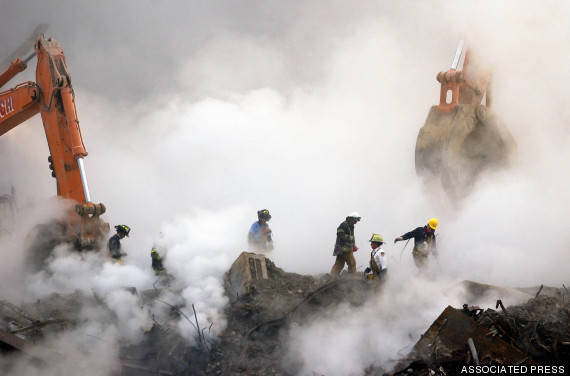
Firefighters
make their way over the ruins and through clouds of smoke at the World
Trade Center in New York. Many of the first responders and those who
labored at the site in the months following the attacks suffer from
respiratory ailments.
100-250
The number of materials in each particle of dust from the destroyed towers.
91,000
The number of liters of jet fuel combusted in the attack, contributing to the dust cloud.
10-11
The pH level of destroyed concrete, which accounted for two-thirds of the total mass of World Trade Center dust. In comparison, ammonia's pH level is 11. In 2006, Environmental Protection Agency scientist Cate Jenkins said dust created by the attack was "as caustic and alkaline as Drano."
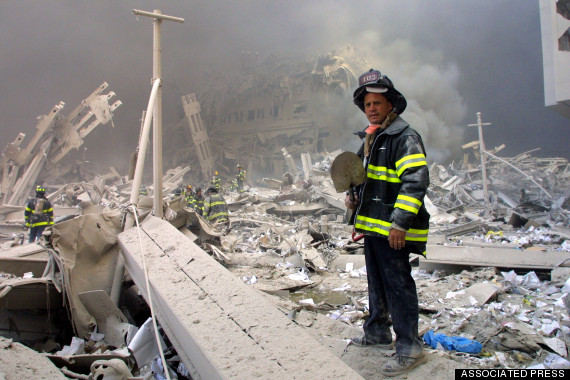
A firefighter holds a shovel as he walks through the rubble in the aftermath of the Sept.11 attacks.
2,518
The number of rescue workers, including firefighters and EMT personnel, who have cancer.
15%
How much more likely first responders are to be diagnosed with cancer
than the general public, according to a federally sponsored study of
almost 21,000 World Trade Center rescue and recovery workers.
239%
How much more likely first responders are to be diagnosed with thyroid cancer than the general public.
21%
How much more likely first responders are to be diagnosed with prostate cancer
than the general public. Prostate cancer was not covered under the
Zadroga Act, which provides testing and treatment for first responders, until last year.
1,400
The number of first responders who have died from health complications stemming from their work at Ground Zero, since Sept. 11, 2001, according to estimates.
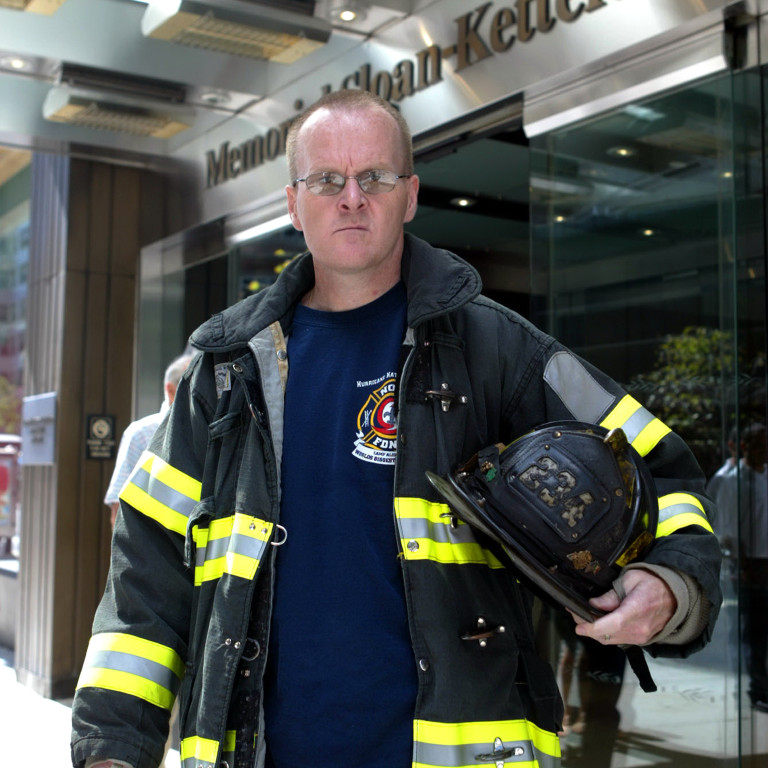
In 2006, FDNY firefighter John McNamara
stands outside Memorial Sloan Kettering Cancer Center, where he was
undergoing chemotherapy for cancer he contracted Sept. 11. (Photo by
Robert Sabo/NY Daily News Archive via Getty Images)
12
The number of years it took for the first sick responders to begin receiving payments for health compensation.
55,188
The total number of complete registrations submitted to the 9/11 Victims Compensation Fund as of Sept. 8, 2014, according to a program report. At least 91 people from the Pentagon and Shanksville sites also applied to the fund, according to federal officials in 2013.
Would-be claimants are required to register for the fund in order to
apply for benefits, and applications are reviewed rigorously.
1,843
The number of applications for compensation that had been paid, as of Sept. 8, 2014. The mean amount of these payments is $267,915.72.
2
The number of years until the Zadroga Act expires, unless lawmakers extend the law, which provides health care and compensation to both responders and survivors.
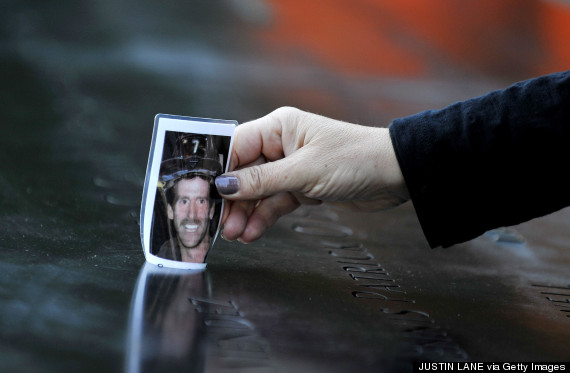
Christine Gonda places a picture of
firefighter George Kane at the engraving of his name at the South Pool,
during anniversary ceremonies at the site of the World Trade Center on
Sept. 11, 2012, in New York.
300
The approximate number of service dogs that assisted in the search and rescue operation.
They would later help in uncovering victims' belongings, such as
jewelry, to be returned to victims' families. Studies have indicated
that dogs, unlike their human handlers, have not shown signs of any significant health issues from their work.
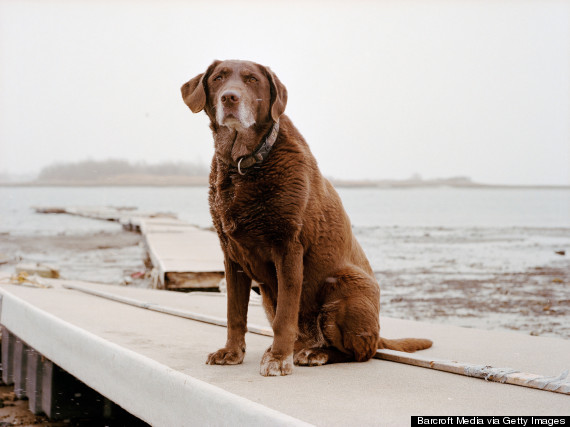
Moxie and her handler, Mark Aliberti,
arrived at the World Trade Center on the evening of Tuesday, Sept. 11,
2001, and searched the site for eight days.


